

What to Do When You Get a Flat Tire in Hamilton
⚡ Quick Answer
A flat tire can happen anywhere in Hamilton — on the QEW shoulder, in a grocery store parking lot, or right in your driveway. If you can safely change it yourself and have a spare, do it. If you don’t have the tools, the spare is missing, or you’re in an unsafe location, call for a roadside tire change immediately. Professional help typically arrives within 30–45 minutes and costs between $75–$150 depending on location and time of day.
Few things ruin your day faster than hearing that unmistakable thumping sound or feeling your steering wheel pull hard to one side. A flat tire is one of the most common roadside emergencies in Hamilton, Ontario — and it can happen to anyone, regardless of how new or well-maintained your tires are. Potholes on King Street, construction debris on the Red Hill Valley Parkway, or even a stray nail in a Canadian Tire parking lot — the causes are endless.
The good news? Knowing exactly what to do when you get a flat tire keeps you safe, prevents further damage to your vehicle, and gets you back on the road quickly. This guide covers everything Hamilton drivers need — from the immediate steps after a blowout, to changing your own tire, to calling for professional roadside tire change service when you need backup.
Whether you’re stranded on the QEW near Burlington, parked at Limeridge Mall, or stuck in your driveway in Waterdown — this guide has you covered.
How to Tell If You Have a Flat Tire While Driving
Sometimes a flat tire is obvious — you walk up to your parked car and see it sitting on a rim. But a slow leak or partial deflation while driving can be harder to spot. Here are the warning signs Hamilton drivers should watch for:
Steering pulls sharply to one side — If the front tire is flat, you’ll feel the car pulling left or right even on a straight road.
Rhythmic thumping or flapping sound — A deflated tire slapping the road produces a distinctive noise that speeds up with your vehicle.
Vibration through the steering wheel or seat — Uneven tire pressure causes noticeable shaking, especially above 40 km/h.
TPMS warning light — Most vehicles 2008 and newer have a Tire Pressure Monitoring System that will display a dashboard warning.
Sluggish acceleration or poor handling — A flat rear tire often makes the car feel sluggish rather than pulling to one side.
⚠️ Warning: Never ignore a suspected flat tire and keep driving. Even a few hundred metres on a fully deflated tire can destroy the rim, damage your suspension, and turn a $75 tire change into a $1,500+ repair bill. Pull over safely as soon as possible.
Immediate Steps: What to Do the Moment You Get a Flat Tire
The first 60 seconds matter most. Whether your flat tire happened on the Lincoln M. Alexander Parkway during rush hour or on a quiet street in Grimsby, these steps keep you and your passengers safe:
Slow Down Gradually — Do Not Slam the Brakes
Take your foot off the gas and let the car decelerate naturally. Hard braking on a flat tire can cause you to lose control, especially in wet or icy conditions common in Hamilton winters.
Turn on Your Hazard Lights Immediately
This alerts other drivers that something is wrong. In Ontario, hazard lights must be used when your vehicle is stopped or moving significantly below the speed of traffic.
Steer Toward a Safe, Flat Surface
Pull onto the shoulder, a parking lot, or a side street. Aim for flat, hard ground — changing a tire on grass, gravel, or a slope is dangerous because the jack can slip. Avoid stopping in blind curves or under overpasses where visibility is limited.
Engage the Parking Brake and Put the Car in Park
This prevents the vehicle from rolling while you assess the situation or wait for help. If you have wheel chocks or even a large rock, place it behind the tire diagonally opposite the flat one.
Stay Inside If You’re on a Highway
On busy roads like the QEW, Highway 403, or Highway 6, it’s safer to stay buckled in your vehicle and call for roadside assistance than to attempt a tire change near fast-moving traffic.
Decide: Change It Yourself or Call for Help
If you’re in a safe location with a good spare, jack, and lug wrench — you can handle it. If not, it’s time to call a professional. Keep reading for both options.
How to Change a Flat Tire Yourself (Step-by-Step)
If you have a functional spare tire, a jack, and a lug wrench — and you’re in a safe location away from traffic — changing a flat tire takes about 15–30 minutes. Here’s the proper process:
Tools You Need
Most vehicles come with a spare tire kit in the trunk. Check yours now — before you need it. You’ll need a vehicle jack (scissor or hydraulic), a lug wrench that fits your lug nuts, your vehicle’s owner manual for jack point locations, wheel wedges or chocks, a flashlight if it’s dark, and gloves if available.
The 10-Step Tire Change Process
Step 1: Place wheel wedges or rocks behind the tires on the opposite side from the flat to prevent rolling.
Step 2: Remove the hubcap or wheel cover if your vehicle has one.
Step 3: Loosen (but don’t fully remove) each lug nut by turning counter-clockwise. Do this before lifting the vehicle — the tire’s contact with the ground provides resistance.
Step 4: Position the jack under the vehicle frame at the correct jack point (check your owner’s manual — wrong placement can crack body panels or bend frame rails).
Step 5: Raise the vehicle until the flat tire is roughly 15 cm (6 inches) off the ground.
Step 6: Fully remove the lug nuts and pull the flat tire straight toward you off the bolts.
Step 7: Mount the spare tire by aligning the holes with the bolts and pushing it onto the hub.
Step 8: Hand-tighten the lug nuts in a star pattern (not circular) to ensure even seating.
Step 9: Lower the vehicle to the ground and remove the jack.
Step 10: Use the lug wrench to fully tighten each nut firmly in the same star pattern. Stow the flat tire and tools in your trunk.
💡 Pro Tip: If your lug nuts are extremely tight and won’t budge, try standing on the lug wrench (carefully) or use a breaker bar for more leverage. Many shops use pneumatic impact guns to tighten lugs, which makes them almost impossible to loosen by hand. If they still won’t move, this is a perfectly good reason to call for professional tire change service.
When You Should NOT Change a Flat Tire Yourself
Changing a tire is straightforward in ideal conditions — but real-world situations often aren’t ideal. You should call for professional help instead of attempting it yourself in any of these scenarios:
✖ You’re on a highway shoulder with fast traffic passing — this is the single most dangerous place to change a tire, and it accounts for hundreds of roadside deaths across North America every year
✖ Your spare tire is flat, missing, or damaged — many drivers don’t check their spare until they need it. Learn more in our guide on handling flats in modern vehicles without traditional spares
✖ You don’t have a jack or lug wrench — some vehicles now ship without tire change tools
✖ The lug nuts are over-torqued and won’t loosen by hand
✖ It’s dark, raining, snowing, or icy — poor visibility and slippery conditions make roadside tire changes dangerous
✖ The vehicle is on a slope, soft ground, or uneven surface — the jack can slip and the car can fall
✖ You have more than one flat tire — a single spare can’t solve two flats, and you’ll need flatbed towing
✖ You’re physically unable — there’s no shame in calling for help. Loosening lug nuts and lifting a tire requires significant strength
In any of these situations, calling a 24-hour towing and roadside service is the smartest move. A technician arrives with the right tools, proper torque specifications, and traffic safety equipment to handle it quickly.
Flat Tire Repair vs. Full Tire Replacement: Which Do You Need?
Not every flat tire means you need a brand-new tire. Here’s a quick comparison to help you understand your options:
Tire Repair (Patch/Plug)
Works when the puncture is in the tread area (not the sidewall), the hole is smaller than 6mm, and the tire wasn’t driven flat for an extended distance.
Cost: $25–$50 at most Hamilton tire shops
Full Tire Replacement
Needed when there’s sidewall damage, tread depth is below 2/32″, the tire was shredded in a blowout, or the puncture is too large or close to the shoulder.
Cost: $100–$300+ per tire depending on size and brand
⚠️ Important: Never plug or repair a sidewall puncture. The sidewall is a structural component of the tire — a patch there will eventually fail, often at highway speeds. If the damage is on the side of the tire, replacement is the only safe option.
How Much Does Roadside Tire Change Service Cost in Hamilton?
If you call for professional help, here’s what you can expect to pay in the Hamilton, Burlington, Waterdown, and Grimsby area:
Prices are estimates for the Hamilton area. Actual costs depend on location, time of day, and vehicle type. Get a more accurate estimate with our online towing cost estimator.
💡 Pro Tip: Many auto insurance policies in Ontario include roadside assistance coverage that may cover tire changes. Check your policy or call your insurer before paying out-of-pocket. Learn more about insurance and towing coverage in Ontario.
Got a Flat Tire Right Now?
Fast tire change service in Hamilton, Burlington, Waterdown & Grimsby — 24/7.
(905) 481-0133
What Causes Flat Tires? Common Causes for Hamilton Drivers
Understanding what causes flat tires can help you avoid them in the future. Hamilton roads present some unique challenges:
Potholes and Road Damage
Hamilton’s freeze-thaw cycles create potholes throughout winter and spring, especially on older roads in the lower city, on Main Street, Barton Street, and Cannon Street. A deep pothole can cause an instant blowout or damage the sidewall, leading to a slow leak that becomes a flat tire hours or days later. You can report potholes to the City of Hamilton through their online reporting system.
Nails, Screws, and Road Debris
Construction zones across Hamilton — particularly along the LRT corridor and mountain access roads — scatter nails, screws, and sharp metal debris on the road. These objects embed in the tread and cause slow punctures that may not be noticeable until the tire goes completely flat overnight.
Temperature-Related Pressure Loss
For every 5°C drop in temperature, tire pressure drops roughly 1 PSI. A Hamilton winter night dropping from 0°C to -20°C can reduce tire pressure enough to trigger the TPMS warning or leave a marginally inflated tire completely flat by morning.
Worn or Aged Tires
Tires older than 6 years become brittle and more prone to blowouts, even with adequate tread depth. The rubber compound degrades from UV exposure, heat cycling, and age — making flats more likely. Check the four-digit DOT date code on the sidewall to determine your tires’ age.
Curb Strikes and Parking Damage
Parallel parking on Hamilton’s narrow downtown streets often leads to sidewall damage from curb contact. A scuff that looks minor can weaken the sidewall structure and lead to a blowout later. If you’ve hit a curb hard, inspect the tire carefully for bulges or cuts.
Spare Tire vs. Run-Flat vs. Tire Sealant: What Modern Vehicles Come With
Not every vehicle in 2026 comes with a traditional full-size spare. Understanding what your car has — before you need it — makes a huge difference when you’re stranded:
If your vehicle only has a sealant kit and the damage is beyond a small tread puncture, you’ll need towing. Flatbed towing is the safest option for vehicles with no spare — it keeps all four wheels off the ground and prevents further damage.
Driving on a Flat Tire: How Far Can You Actually Go?
The short answer: as little as possible. Driving on a completely flat standard tire — even for a few hundred metres — can cause irreversible damage. Here’s what happens the longer you drive on a flat:
First 100 metres: The tire bead separates from the rim. Internal structure begins breaking down.
500 metres – 1 km: The rim starts cutting into the tire rubber. Sidewall is likely destroyed. Rim may begin to bend or crack.
1+ km: Rim damage is almost guaranteed. Suspension components, brake rotors, and wheel bearings can be damaged. A $100 tire becomes a $1,000+ repair.
The only exception is run-flat tires, which are specifically engineered with reinforced sidewalls to carry the vehicle’s weight temporarily even at zero pressure. If you’re unsure whether you have run-flats, check your tire sidewall for markings like “RFT,” “ROF,” “ZP,” or “SSR.”
How to Prevent Flat Tires: Maintenance Tips for Hamilton Drivers
While you can’t prevent every flat tire, regular maintenance dramatically reduces your risk:
Check tire pressure monthly — Use a digital gauge, not the gas station eyeball test. The correct PSI is on the sticker inside your driver’s door jamb, not on the tire itself.
Inspect tread depth regularly — Use the toonie test: insert a toonie into the tread. If you can see the bear’s paws completely, your tread is worn and needs replacement.
Rotate tires every 8,000–12,000 km — This ensures even wear across all four tires and extends their lifespan.
Avoid potholes and debris — Easier said than done in Hamilton, but being aware of road conditions — especially during spring thaw — saves tires and rims.
Switch to winter tires by November — Ontario’s cold temperatures harden all-season rubber compounds, increasing flat tire risk. Winter tires stay flexible and grip better, reducing the chance of damage from sudden stops.
Check your spare tire quarterly — Spare tires lose pressure over time. A flat spare is just as useless as no spare at all.
Replace tires older than 6 years — Even if the tread looks fine, aged rubber fails without warning. The Ontario Ministry of Transportation recommends regular tire inspections as part of vehicle maintenance safety.
Flat Tire on the QEW, 403, or Highway 6? What to Do on Hamilton Highways
Highway flat tires in Hamilton deserve special attention because of the higher speeds and limited shoulder space. Here’s the protocol:
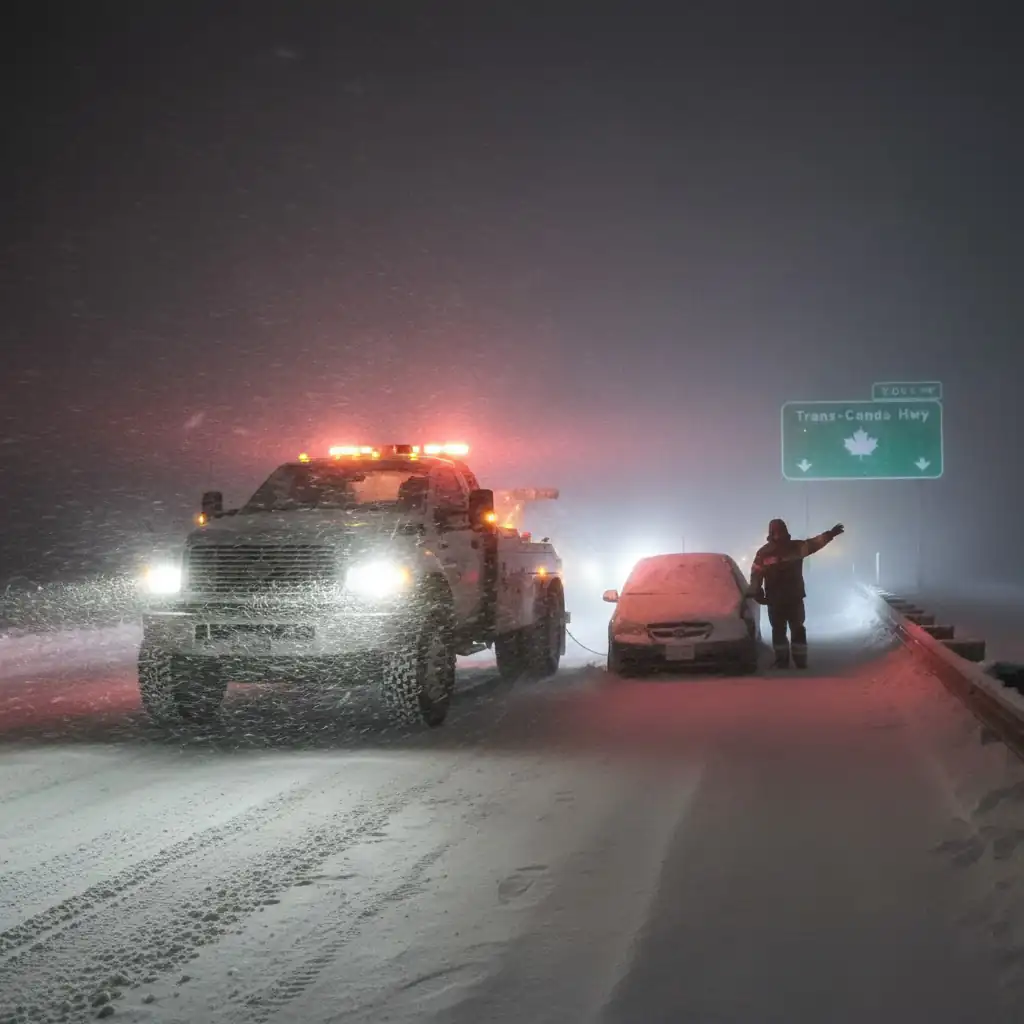
Turn hazard lights on immediately and begin slowing down without braking hard. Pull as far right as possible onto the shoulder. If you’re on a 400-series highway, stay inside your vehicle with your seatbelt on. Do not attempt to change the tire yourself unless you are well clear of traffic and fully on the shoulder.
Call for emergency towing service — professional operators carry traffic safety equipment, high-visibility vests, and cones that keep everyone safe during the tire change or tow.
⚠️ Highway Safety Note: Ontario’s Move Over law (Section 159 of the Highway Traffic Act) requires drivers to slow down and move over for stopped emergency vehicles, tow trucks, and disabled vehicles on highway shoulders. When help arrives for your flat tire, a professional operator ensures traffic compliance and keeps you out of harm’s way.
What If You Get a Flat Tire and Your Car Also Won’t Start?
It’s more common than you’d think — you go to leave for work, find a flat tire, and when you try to move the car to change it, the engine won’t turn over. A dead battery combined with a flat tire is a double-hit that a single service call can solve.
Towing Hamilton provides both battery boost and tire change in a single visit. Our operators carry the tools for both, so you don’t need to call twice or wait for two separate trucks. If the vehicle still can’t drive safely after both issues are addressed, we can tow it directly to your preferred mechanic with breakdown towing.
Flat Tire Emergency Kit: What to Keep in Your Car
Every Hamilton driver should keep these items in their trunk, especially during winter:
✔ Properly inflated spare tire (check pressure quarterly)
✔ Vehicle jack and lug wrench that fit your car
✔ Wheel lock key (if your vehicle has locking lug nuts)
✔ Flashlight with fresh batteries
✔ Reflective triangles or flares
✔ High-visibility vest
✔ Work gloves
✔ Portable 12V tire inflator (for slow leaks)
✔ Portable phone charger
✔ Contact number for a reliable towing company — (905) 481-0133
Flat Tire FAQ: Common Questions from Hamilton Drivers
Can I drive on a flat tire to the nearest gas station?
Driving on a completely flat standard tire — even a short distance — risks destroying the rim, damaging your brakes, and compromising your suspension. If a tire shop is within sight (under 100 metres) and you drive extremely slowly, the damage may be minimal. Otherwise, stop and call for help. Run-flat tires are the only exception, allowing up to 80 km at reduced speed.
How long does a roadside tire change take?
A professional roadside tire change typically takes 15–20 minutes once the technician arrives. Total time from your call to driving again is usually 45–75 minutes depending on your location in Hamilton, traffic, and weather conditions.
What should I do if I get a flat tire and don’t have a spare?
If your vehicle doesn’t have a spare, check for a tire sealant kit in the trunk — many newer vehicles include one. If the damage is small enough (tread area only, under 6mm), sealant may temporarily fix it. If not, you’ll need flatbed towing to the nearest tire shop.
How much does a tire change cost in Hamilton?
Roadside spare tire installation in Hamilton typically costs $75–$150 depending on time of day and location. After-hours and highway calls may cost more. If you need to be towed to a tire shop because you don’t have a spare, expect $100–$175 for the tow.
Does car insurance cover flat tire roadside assistance in Ontario?
Many Ontario auto insurance policies include optional roadside assistance coverage that may cover tire changes, battery boosts, and emergency towing. Coverage varies by insurer and policy tier. Check your policy documents or call your insurance provider to confirm before you need it.
Can a flat tire be repaired, or does it always need replacement?
Many flat tires can be repaired with a professional patch-and-plug combination if the puncture is in the tread area and is smaller than 6mm in diameter. Sidewall damage, large tears, or tires that were driven flat for extended distances usually require full replacement.
How fast can a tow truck reach me in Hamilton for a flat tire?
Response times in Hamilton, Burlington, Waterdown, and Grimsby typically range from 20–45 minutes. Towing Hamilton uses GPS dispatching to send the nearest available truck. Highway calls and unsafe locations receive priority dispatch.
Is it safe to use tire sealant (Fix-a-Flat) on a flat tire?
Tire sealant is a temporary solution that works for small tread punctures. It won’t fix sidewall damage, large holes, or blowouts. Many tire shops in Hamilton charge extra to clean sealant out of a tire before a proper repair, and some may refuse to repair a tire that’s had sealant applied. It’s best used as a last resort to reach the nearest shop.
Why are my lug nuts so tight that I can’t remove them?
Most tire shops use pneumatic impact guns to tighten lug nuts, which often exceeds the manufacturer’s recommended torque. This makes them nearly impossible to loosen with the short lug wrench included in your trunk. A longer breaker bar or standing carefully on the wrench can help — or call for a professional tire change service where technicians bring proper tools.
How long can I drive on a spare tire (donut)?
A compact spare (donut) is designed for temporary use only — most are rated for a maximum of 100 km at no more than 70 km/h. Do not take a donut on the highway for extended drives. Get to a tire shop as soon as possible to install a full-size replacement.
Flat Tire? Don’t Wait — Help Is Minutes Away.
Professional roadside tire change across Hamilton, Burlington, Waterdown & Grimsby.
Available 24 hours a day, 7 days a week — even holidays.
(905) 481-0133