
EV and Hybrid Towing: What Electric Car Owners Need to Know
⚡ Quick Answer
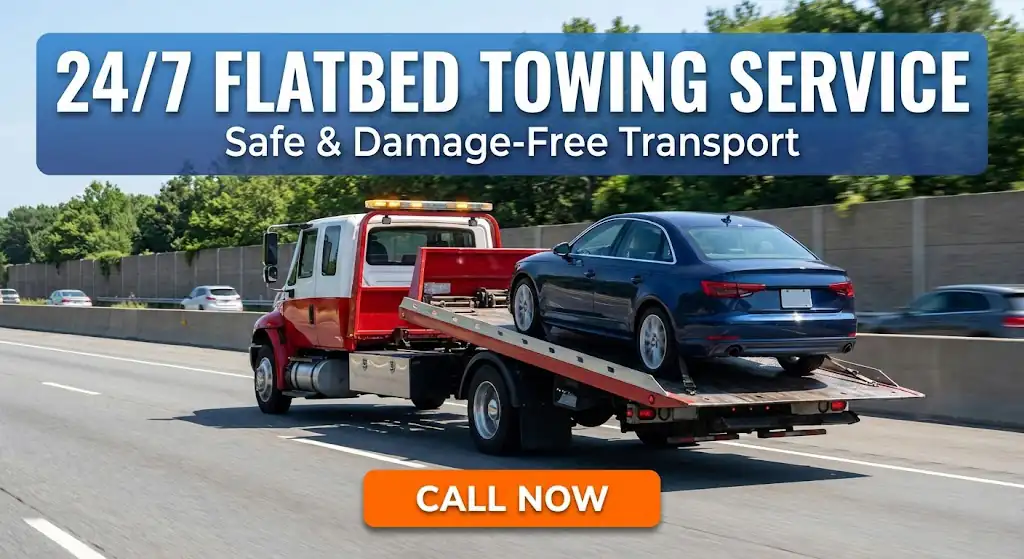
Electric vehicles and most hybrids must be towed on a flatbed with all four wheels off the ground. Dragging an EV’s wheels on the road forces the electric motor to generate uncontrolled electricity, which can destroy the motor, inverter, and battery management system — repairs costing $5,000–$15,000+. This applies to every Tesla, most Hyundai/Kia EVs, Chevrolet Bolt, Nissan Leaf, Ford Mustang Mach-E, BMW iX, and virtually every other battery-electric vehicle. Many plug-in hybrids also require flatbed transport. In Hamilton, EV towing on a flatbed costs $100–$200 locally. Always request a flatbed — it’s the only safe option.
Electric vehicle ownership in Hamilton is growing rapidly. Tesla Model 3s and Model Ys are a common sight on the QEW. Hyundai Ioniq 5s and Kia EV6s fill condo parking garages downtown. Chevrolet Bolts commute up and down the mountain daily. And with every new EV on the road comes a driver who may not know the single most important thing about their car: if it needs a tow, the wrong truck type will cause catastrophic damage.
The rules for EV towing are fundamentally different from gasoline cars — and most tow truck operators in Ontario still primarily handle gas vehicles. An operator who doesn’t understand EV drivetrain mechanics can destroy your motor, inverter, or battery management system in the time it takes to drag your car a few hundred metres on a wheel-lift. The repair bill? $5,000 to $15,000+ — more than the cost of the tow, the roadside assistance membership, and the annual insurance premium combined.
This guide explains why electric car towing requires different handling, what happens when it’s done wrong, specific rules for every major EV brand on Canadian roads, how hybrids differ from full EVs, and how to make sure the right truck shows up when you need help. If you drive an EV in Hamilton and need a tow right now, call Towing Hamilton at (905) 481-0133 and tell the dispatcher it’s an electric vehicle.
Why EVs Can’t Be Towed Like Regular Cars
To understand why EV towing requires a flatbed, you need to understand one fundamental difference between electric and gasoline drivetrains:
In a gasoline car, the engine connects to the wheels through a transmission. When the engine is off and the car is in neutral, the transmission disengages — the wheels can spin freely with no connection to the engine. This is why a wheel-lift tow works for many gas cars: the drive wheels are lifted, or the non-drive wheels roll freely with no mechanical consequence.
In an electric vehicle, there is no transmission in the traditional sense — and no true neutral. The electric motor is permanently connected to the drive wheels through a single-speed reduction gear. When the wheels spin, the motor spins. And when an electric motor spins, it generates electricity. This is by design — it’s how regenerative braking works to recharge the battery during normal driving.
The problem: when the vehicle is being towed with the drive wheels on the ground and the car is “off,” the motor generates electricity with nowhere safe for that energy to go. The inverter (which normally manages power flow between the motor and battery) isn’t active. The battery management system isn’t regulating charge. The result is uncontrolled electrical energy that overheats the motor windings, damages the inverter power electronics, and can interfere with or damage the high-voltage battery pack.
🚨 What Improper EV Towing Can Damage:
Electric motor: Overheated windings, demagnetized permanent magnets. Replacement: $3,000–$8,000.
Inverter: Burned power electronics from uncontrolled voltage. Replacement: $2,000–$5,000.
Battery management system: Corrupted calibration or damaged cells from irregular charging. Diagnosis and repair: $1,000–$5,000+.
Total potential damage: $5,000–$15,000+ — from a single improper tow that takes minutes.
The Rule: Every EV Needs a Flatbed. No Exceptions.
Every major EV manufacturer states the same thing in their owner’s manual: transport on a flatbed with all four wheels off the ground. This isn’t a recommendation — it’s a requirement that, if violated, can void your warranty claim for any resulting damage.
Here’s a brand-by-brand reference for the most common EVs and hybrids on Hamilton roads:
This covers the most common EVs in the Canadian market. If your vehicle isn’t listed, check your owner’s manual — or simply request a flatbed. A flatbed is safe for every vehicle type, so there’s never a risk in asking for one. For a complete guide to how drivetrains affect towing, see our FWD vs. RWD vs. AWD towing guide.
Hybrid Vehicles: Not All Are Equal
Hybrids add confusion because they combine electric motors with gasoline engines — and different hybrid types have very different towing requirements:
💡 When in Doubt: If you’re not sure whether your hybrid needs a flatbed, request one anyway. A flatbed is safe for every vehicle type — hybrid, electric, gas, diesel, AWD, FWD, anything. The small price premium ($15–$25 more than a wheel-lift) eliminates all risk. For a full comparison of tow truck types, see our flatbed vs. wheel-lift guide.
What Is “Transport Mode” and Why Does It Matter?
Most EVs have a software feature called “Transport Mode,” “Tow Mode,” or “Free Roll Mode” that prepares the vehicle for flatbed loading. Here’s what it does and how to use it:
What it does: Transport Mode releases the parking brake and disengages the electronic parking system, allowing the vehicle’s wheels to roll freely. Without it, the vehicle’s electronically controlled parking brake keeps the wheels locked — the flatbed operator can’t roll or winch the vehicle onto the bed.
How to activate it: Typically through the vehicle’s touchscreen or infotainment system. On a Tesla: Controls → Service → Towing. On a Chevrolet Bolt: Vehicle Settings → Vehicle → Transport Mode. Each brand locates it differently — check your owner’s manual or search “[your vehicle] transport mode” for specific steps.
Requirements: The vehicle must be powered on (at least to the accessory level) to access Transport Mode. This means the 12V battery must have enough charge to power the touchscreen. If the 12V battery is dead — which happens more often than you’d expect in EVs — the vehicle can’t be placed in Transport Mode without first jumping the 12V system.
What if Transport Mode can’t be activated? If the vehicle is completely dead and Transport Mode is inaccessible, the tow operator uses go-jacks (hydraulic wheel dollies) to lift all four wheels and roll the vehicle onto the flatbed. This method works regardless of the parking brake status because the wheels are lifted off the ground. It takes more time but is always an option.
⚠️ Important: Transport Mode allows the wheels to roll for loading onto a flatbed. It does NOT make the vehicle safe for wheel-lift or dolly towing with wheels on the road. Transport Mode does not disconnect the motor from the wheels — it only releases the brake. The motor-to-wheel connection is permanent and mechanical. A flatbed remains mandatory even with Transport Mode engaged.
How Much Does EV Towing Cost in Hamilton?
EV towing costs slightly more than standard gas-car towing because flatbed transport is required and EVs are heavier. Here’s what to expect:
Prices are Hamilton-area estimates. For a personalized quote, use the Towing Hamilton cost estimator. For complete pricing details, see our guides on towing cost per km and long-distance towing costs.
Drive an EV? Save This Number. ⚡
Flatbed-equipped • EV-experienced • Transport Mode–ready • 24/7.
(905) 481-0133
Common EV Roadside Emergencies (Besides Running Out of Charge)
Range anxiety gets all the headlines, but EV owners face the same roadside emergencies as gas-car drivers — plus a few unique ones:
Flat tire. EVs get flat tires just like gas cars — but most EVs don’t include a spare tire (to save weight and space for the battery). This means a tire change with a supplied spare isn’t possible, and a tire sealant kit won’t fix sidewall damage or large punctures. If the sealant doesn’t work, you need a flatbed tow to a tire shop.
Dead 12V battery. Every EV has both a high-voltage traction battery (the big one that moves the car) and a standard 12V auxiliary battery (the small one that powers the computer systems, locks, lights, and touchscreen). The 12V battery can die independently of the main battery — and when it does, the car appears completely dead even if the traction battery is fully charged. A standard 12V battery boost often restores the car to full function. This is the most commonly misdiagnosed EV roadside issue.
Ran out of charge. Unlike running out of gas, you can’t bring a portable charger to the roadside and add meaningful range in minutes. If your EV is dead on the shoulder with no charge, the only option is a flatbed tow to the nearest charging station or to your home charger. See our general guide on running out of fuel — the EV section covers what happens when charge runs out.
Software glitch or update failure. EVs are essentially computers on wheels. Occasionally, an over-the-air update fails, the vehicle software crashes, or an error code immobilizes the vehicle. If the car won’t enter “Ready” mode, it can’t be driven — and it needs a flatbed to the dealer or service centre.
Collision damage. EVs are involved in the same accidents as gas cars. After any collision, a flatbed tow is essential — not just because of drivetrain concerns, but because a damaged high-voltage battery must be handled with extreme care. Even a minor fender-bender can damage battery enclosures that sit along the vehicle’s floor. Accident towing for EVs should always be on a flatbed.
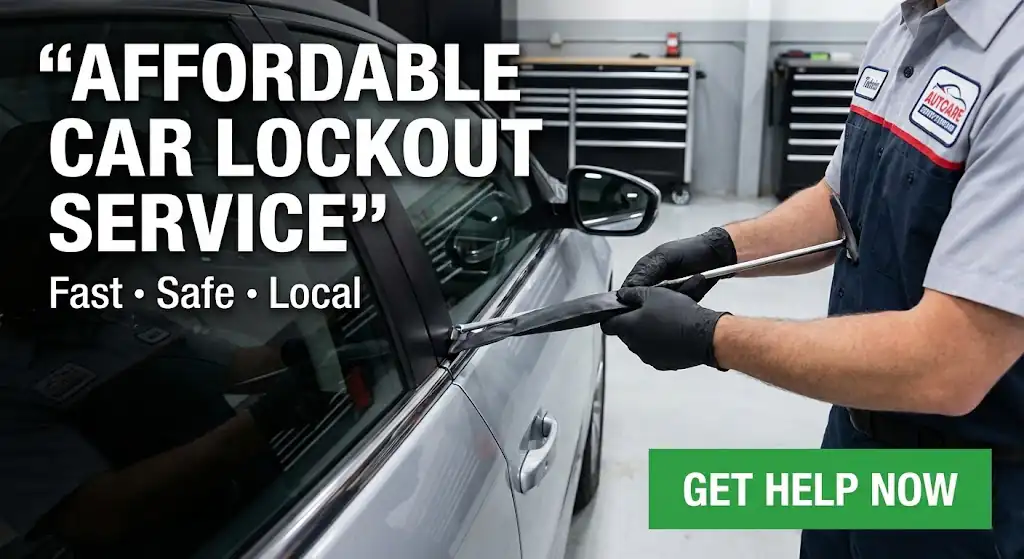
Locked out. Car lockout service works the same for EVs as for gas cars — the door mechanisms are conventional even if the rest of the car is electric. If your phone key or key fob battery dies and you’re locked out, a standard lockout service can get you back in.
EV Weight: Why It Matters for Towing
EVs are significantly heavier than their gasoline counterparts due to battery weight — and this affects towing in several practical ways:
The extra weight matters because flatbed trucks have payload limits — typically 3,500–5,000 kg for a standard flatbed. Most EVs are well within this range, but the heaviest electric trucks (F-150 Lightning, Rivian R1T, Hummer EV) push the upper limits and may require a heavy-duty flatbed.
EV weight also affects go-jack operations in underground parking — heavier EVs require higher-rated jacks and more physical effort to push up ramps. When calling for EV service, always mention the specific vehicle model so the operator can ensure they have the right equipment.
EV Safety Considerations for Tow Operators (And for You)
EVs carry high-voltage systems (400V or 800V depending on the model) that require specific safety awareness during towing. According to Transport Canada’s motor vehicle safety standards, operators handling EVs should be aware of these considerations:
No cutting, drilling, or lifting by the battery enclosure. The battery pack sits along the vehicle’s floor, protected by a reinforced enclosure. Tow operators should never attach chains, cables, or lift points near the battery — use only the vehicle’s designated tow/recovery points.
Damage assessment after collisions. If an EV has been in a collision, the battery may be compromised even if there’s no visible external damage. Swelling, cracking, fluid leaks (from thermal management systems), or unusual smells near the undercarriage are warning signs. Damaged batteries can become a fire risk — the tow operator should know to maintain distance from the underside and transport to a facility equipped to handle EV battery issues.
Water and EV batteries. While EV batteries are sealed and water-resistant under normal conditions, a vehicle that has been submerged (flood, deep water crossing) may have water intrusion into the battery system. Submerged EVs should be handled with extra caution — including by the fire department if necessary — before towing.
For you as the driver: If your EV has been in a collision or shows any warning lights related to the high-voltage system, stay away from the underside of the vehicle, don’t touch any orange-coloured cables or components (these indicate high-voltage), and let the tow operator know the situation. Your safety is the priority — the vehicle is the operator’s concern.
Choosing an EV-Capable Towing Company
Not every towing company is prepared for EV towing. Here’s what to verify when choosing a provider:
Flatbed availability. The company must have a flatbed — a wheel-lift-only operator cannot safely tow your EV under any circumstances. Ask specifically: “Do you have a flatbed available for an electric vehicle?”
EV experience. Have they towed Teslas, Ioniq 5s, Bolts, or other EVs before? An operator experienced with EVs knows about Transport Mode, 12V battery issues, designated tow points, and the specific handling requirements. One who hesitates when you say “it’s electric” may not be the right choice.
Go-jack capability. If your EV is in an underground parking garage or any location where a flatbed can’t access directly, go-jacks are the only safe way to move it. Not all companies have this equipment.
TSSEA certification. The same TSSEA requirements apply to EV towing as to any other vehicle. Published rates, signed consent, itemized invoices, and multiple payment options are all mandatory.
Towing Hamilton maintains flatbed trucks, go-jack equipment, and EV towing experience across all major brands. When you call (905) 481-0133 and mention your vehicle is electric, the dispatcher ensures the right equipment and an experienced operator are sent. For a full company evaluation framework, see our guide on how to choose a towing company you can trust.
Does Insurance Cover EV Towing?
Coverage for electric car towing follows the same rules as gas-car towing in Ontario — with a few EV-specific considerations:
Standard roadside assistance covers EVs. Your insurance-based roadside assistance plan covers towing regardless of fuel type. However, the dispatched tow company may not have flatbed capability — which is why many EV owners call a local EV-experienced company directly and submit the receipt for reimbursement.
CAA covers EV towing at all membership tiers, with the same distance limits as gas vehicles (10 km Basic, 200 km Plus/Premier). CAA has been expanding their EV-trained operator network, but availability varies by area.
Manufacturer roadside programs. Most EV manufacturers include complimentary roadside assistance for 3–5 years: Tesla (4 years), Hyundai (5 years), Kia (5 years), Ford (5 years), GM (5 years with OnStar), BMW (4 years). These programs are specifically designed for EVs and dispatch flatbed-equipped operators.
Damage from improper towing. If a tow operator improperly tows your EV (wheel-lift, dragging wheels) and causes drivetrain damage, their commercial liability insurance should cover the repair. Document everything — photos, the tow receipt, the operator’s certificate number — and file a claim. Also file a complaint with the Ontario MTO.
For complete details on insurance and towing coverage, see our guide on whether insurance covers towing in Ontario.
EV Preparation: What Every Electric Car Owner Should Do Now
Don’t wait until you’re stranded to figure out your EV’s towing requirements. Spend 10 minutes now to be prepared:
Learn how to activate Transport Mode. Open your vehicle’s touchscreen, find the Transport Mode / Tow Mode setting, and note the exact path. If you can’t find it, search your owner’s manual. When you’re stressed on a highway shoulder is not the time to learn.
Know your designated tow points. Every EV has specific frame locations where tow hooks or recovery straps should be attached. These are in your owner’s manual — usually marked with arrows or symbols on the vehicle’s undercarriage. A tow operator attaching to the wrong point can damage body panels, battery enclosures, or cooling lines.
Save an EV-capable towing company’s number. Add (905) 481-0133 to your phone contacts now. When you need a tow, you’ll call directly instead of hoping your insurance dispatches a flatbed-equipped operator who understands EVs.
Check your roadside coverage. Confirm what your insurance, CAA membership, or manufacturer program covers for towing. Know the phone number and whether they dispatch flatbed operators in your area.
Keep a winter emergency kit in the car. EVs lose 20–40% of range in cold weather. The same blankets, phone charger, and visibility aids that protect gas-car drivers protect EV drivers — arguably even more so, because you can’t idle an EV’s heater indefinitely without draining the traction battery.
Understand your 12V battery. The 12V auxiliary battery in your EV needs periodic replacement (every 3–5 years), just like a gas car. A dead 12V battery is the most common reason EV owners call for help — and a $150 battery replacement at a scheduled service is far better than a $100 roadside boost at 11 PM in January. Learn the warning signs of a dying battery.
Hamilton’s EV Landscape: Why This Matters Locally
Hamilton’s growing EV adoption means more electric vehicles on local roads every year — and more drivers who need to understand EV-specific towing:
Charging infrastructure is expanding. Hamilton has seen significant growth in public charging stations — at GO stations, shopping centres, condo buildings, and along major corridors. But more chargers mean more EVs on the road, and more EVs mean more roadside situations where EV-specific knowledge is critical.
Winter range anxiety. Hamilton winters reduce EV range by 20–40%. Drivers who comfortably make their daily commute in summer may find themselves running low in January — especially if they forget to precondition the battery or leave the cabin heater running at full blast. More low-charge situations mean more tow calls.
Condo parking complications. Many Hamilton EV owners charge at home in condo or apartment underground garages. A dead EV in underground parking requires specialized underground towing with go-jacks — no flatbed can enter. This is an increasingly common call as downtown condo EV ownership grows.
Most Hamilton tow operators aren’t EV-trained. The towing industry is catching up to EV adoption, but many operators still default to wheel-lift for every vehicle. An EV owner who doesn’t specify “I need a flatbed — my car is electric” may get the wrong truck. Being proactive about your vehicle’s requirements protects your car and your wallet.
EV and Hybrid Towing FAQ
Can you tow a Tesla with a wheel-lift?
No. Tesla explicitly prohibits towing with any wheels on the road for all models (Model 3, Model Y, Model S, Model X, Cybertruck). The vehicle must be transported on a flatbed with all four wheels off the ground. Dragging a Tesla’s drive wheels forces the electric motor to generate uncontrolled electricity, causing motor, inverter, and battery management damage costing $5,000–$15,000+. Always insist on a flatbed for any Tesla.
Why can’t electric cars be towed normally?
In EVs, the electric motor is permanently connected to the drive wheels — there’s no traditional neutral that fully disconnects the motor. When the wheels spin during towing, the motor acts as a generator, producing electricity. With the car “off,” the inverter and battery management system aren’t active to manage this energy. The uncontrolled generation overheats the motor, damages the inverter, and can harm the battery. This is fundamentally different from gas cars, which can disconnect the drivetrain in neutral.
How much does it cost to tow an electric car?
In Hamilton, EV flatbed towing costs $100–$200 for a local tow — comparable to standard flatbed pricing. Long-distance EV towing runs $3.50–$5.50 per km. The cost is slightly higher than a wheel-lift tow because flatbed transport is mandatory, and EVs are heavier than equivalent gas vehicles. A 12V battery boost for an EV costs $75–$125, the same as for a gas car.
What is Transport Mode on an EV?
Transport Mode (also called Tow Mode or Free Roll Mode) is a software setting that releases the electronic parking brake and allows the vehicle’s wheels to roll freely for flatbed loading. It does NOT make the vehicle safe for wheel-lift towing — the motor-to-wheel connection remains active. Transport Mode requires the vehicle to be powered on, meaning the 12V auxiliary battery must have charge. If the 12V battery is dead, a jump start of the 12V system is needed first.
Do hybrids need flatbed towing too?
It depends on the hybrid type. Battery electric vehicles (BEVs) and most plug-in hybrids (PHEVs) require flatbed towing because their electric motors are connected to the drive wheels. Standard hybrids (HEVs) vary by model — some allow wheel-lift from the front, others require a flatbed. Mild hybrids (MHEVs) generally follow the same rules as gas cars. When unsure, always request a flatbed — it’s safe for every vehicle type.
What if my EV ran out of charge?
Unlike gas cars, you can’t bring portable charge to an EV at the roadside. If your traction battery is depleted, the vehicle needs a flatbed tow to the nearest Level 2 or DC fast charger, your home charger, or a dealer. Plan ahead — monitor your range, especially in winter when range drops 20–40%. Use apps like PlugShare or ChargePoint to locate nearby chargers before your battery reaches critical levels.
My EV seems completely dead — is it the 12V battery?
Very likely. EVs have a small 12V auxiliary battery that powers the computer systems, touchscreen, door locks, and lights. When this battery dies, the car appears completely dead — even if the main traction battery is fully charged. A standard 12V battery boost ($75–$125) often restores full function immediately. This is the most commonly misdiagnosed EV roadside issue — many owners assume the main battery is dead when it’s actually just the 12V.
Does my EV have a spare tire?
Most EVs do not include a spare tire — the space under the trunk or cargo area is occupied by the battery pack. Instead, most come with a tire sealant and inflator kit, which works for small punctures but is useless for sidewall damage, blowouts, or large tears. If the sealant kit can’t fix the flat, you need a flatbed tow to a tire shop. Consider purchasing an aftermarket compact spare or a tire repair kit rated for your EV’s specific tire size.
Can an EV be towed from underground parking?
Yes, but a flatbed can’t enter most underground garages. Go-jacks (hydraulic wheel dollies) are used instead — they lift all four wheels off the ground and allow the vehicle to be rolled out of the garage to street level, where a flatbed takes over for transport. This process is the only safe method for EVs underground because no wheels can be dragged on the ground at any point. Mention that your vehicle is electric AND underground when calling so the right equipment is dispatched.
Does my manufacturer warranty cover tow damage?
Your manufacturer warranty typically does NOT cover damage from improper towing — in fact, using a non-approved towing method (like a wheel-lift for an EV) may void warranty coverage for the affected components. The tow operator’s commercial liability insurance should cover towing-related damage. Document the tow method, take photos, and keep the receipt. If improper towing caused the damage, file a claim against the tow operator’s insurance and report the incident to the Ontario MTO.
EV-Ready Towing. Hamilton-Wide. 24/7. ⚡
Flatbed fleet • Go-jack equipped • Tesla, Hyundai, Kia, GM, Ford experienced
Hamilton, Burlington, Waterdown & Grimsby.
(905) 481-0133